Welcome to the World of Sushi: A Beginner's Guide
For those new to the Japanese dining scene in San Jose, the array of sushi options can be both exciting and overwhelming. Shiroi Sushi invites you to embark on an enlightening journey through the essentials of sushi. This guide is tailored for beginners, aiming to simplify the technicalities of sushi to enhance your dining experience. Let's dive into the basics and help you navigate your next sushi outing with confidence.
Understanding the Basics: What is Sushi?
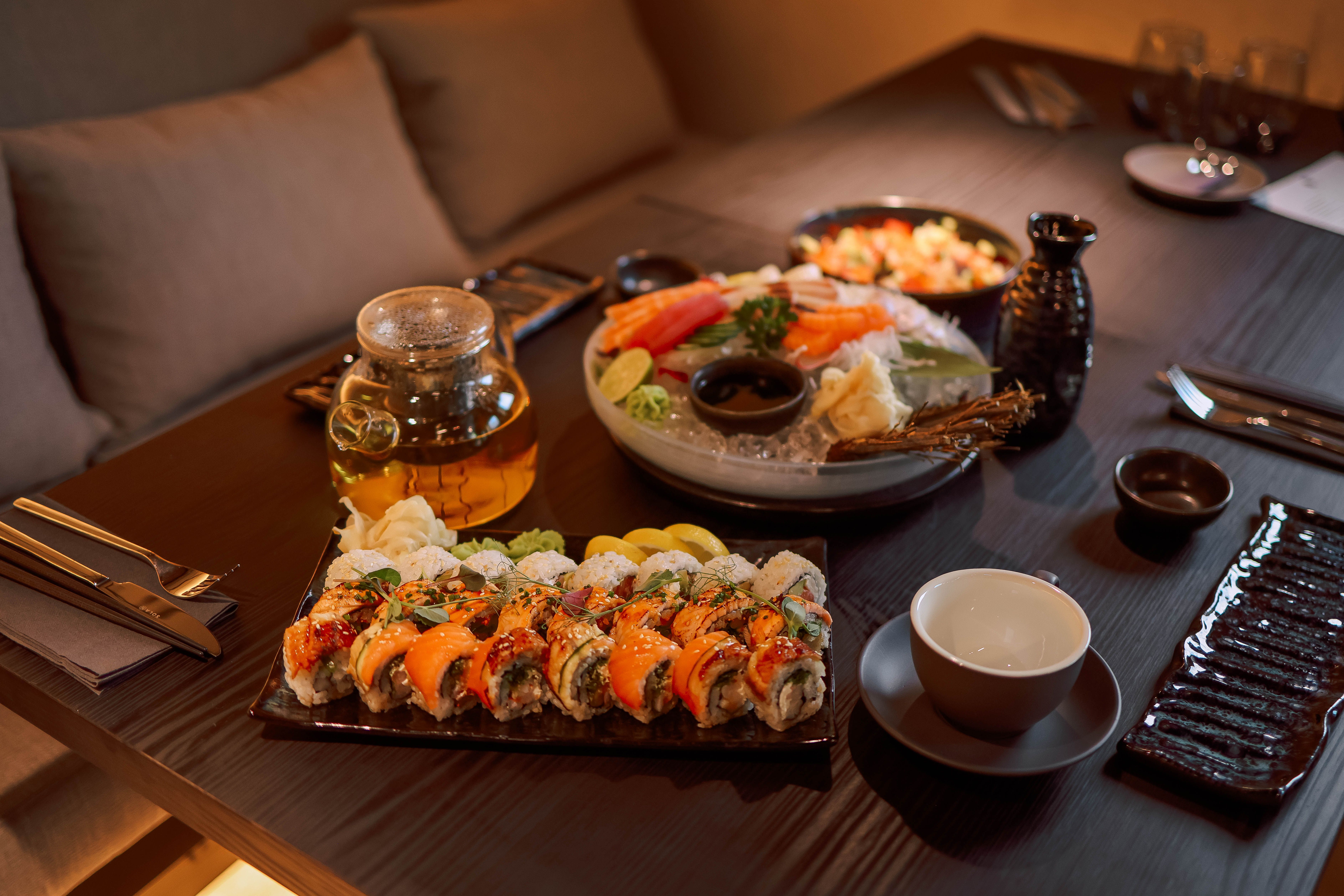
Often misunderstood, sushi is not just raw fish. At its core, sushi is a dish that combines vinegared rice with a variety of ingredients, which may include seafood, vegetables, and occasionally tropical fruits. The term 'sushi' actually refers to the seasoned rice, not the fish. Here are some common types of sushi:
- Nigiri: Hand-formed rice topped with a slice of fish or seafood.
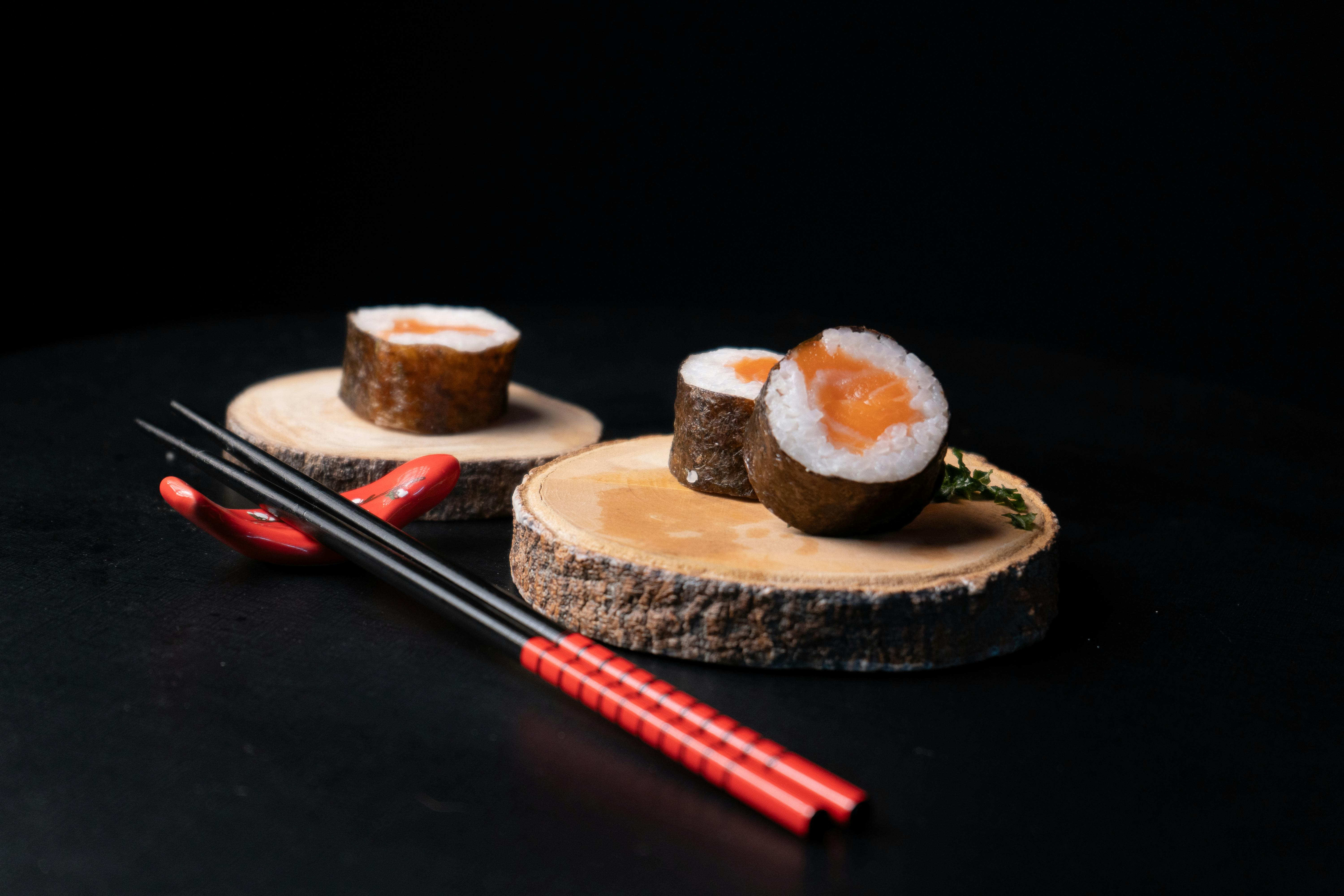
- Maki: Rice and filling rolled in seaweed, then sliced into bite-sized pieces.
- Sashimi: Thinly sliced raw fish or seafood, served without rice.
- Temaki: Hand-rolled sushi in the shape of a cone.
- Uramaki: A style of maki where the rice is on the outside.
The Art of Sushi Making: Ingredients and Techniques
At Shiroi Sushi, we pay homage to the traditional techniques of sushi preparation. Let's break down some technical elements in simple terms:
Ingredients
The foundation of good sushi is its ingredients. Here's what you need to know:
- Rice: Short-grain Japanese rice is preferred for its stickiness, essential for forming sushi. It's seasoned with a blend of rice vinegar, sugar, and salt.
- Fish: Freshness is key. Fish like tuna, salmon, and yellowtail are common choices.
- Nori: This is the seaweed sheet that holds sushi rolls together.
- Wasabi: A spicy paste made from Japanese horseradish, it adds a kick to sushi.
- Ginger: Pickled ginger cleanses the palate between different types of sushi.
Techniques
Mastering sushi involves precision and practice. Here are some fundamental techniques:
- Rice Preparation: Properly washing and cooking the rice ensures the right texture and flavor.
- Nigiri Formation: Forming the rice by hand requires a gentle touch to avoid compacting it too tightly.
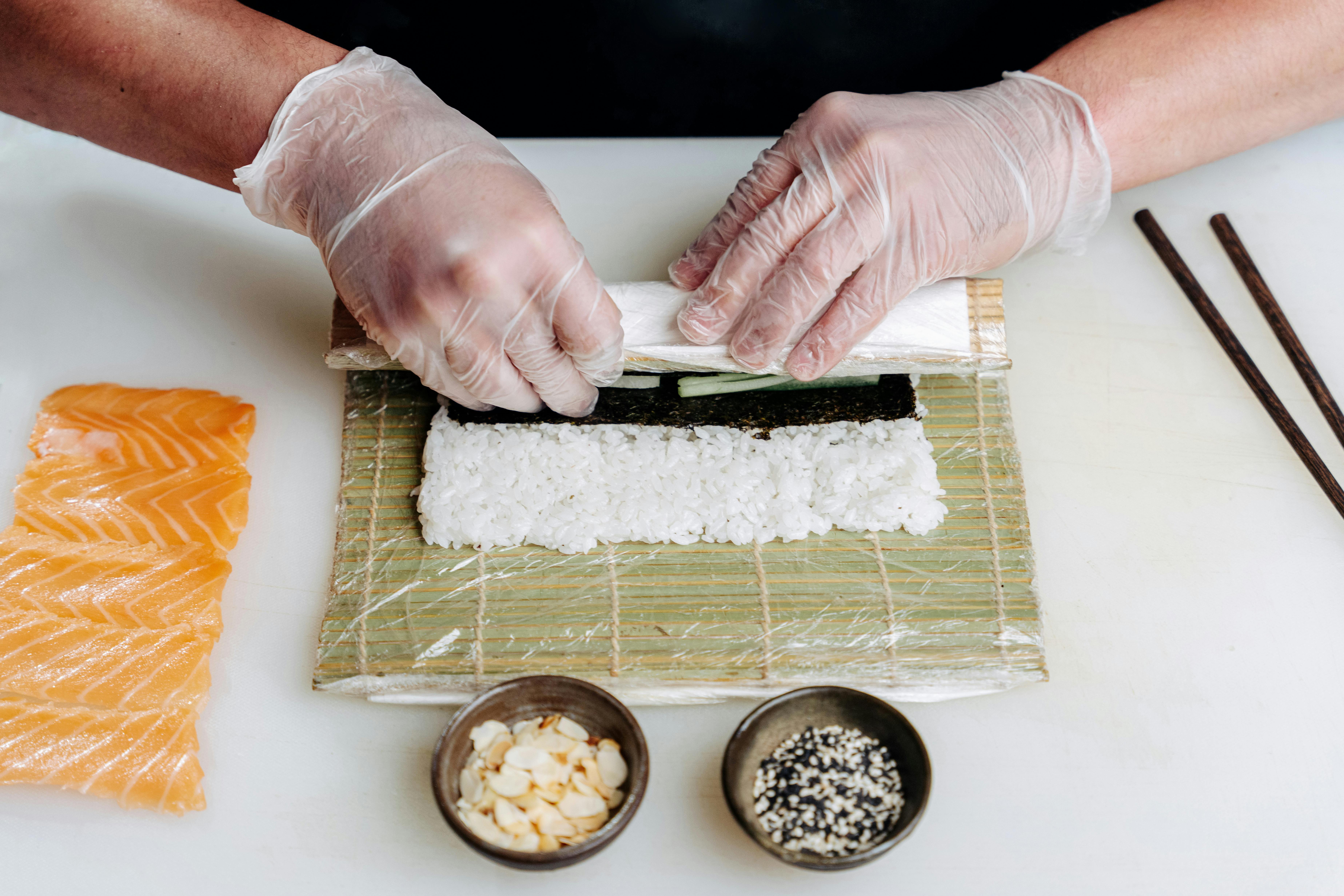
- Rolling Maki: Using a bamboo mat, the ingredients are rolled into a cylinder and sliced evenly.
The Etiquette of Sushi Dining
Understanding the etiquette of sushi dining can enhance your experience and show respect for the culinary art:
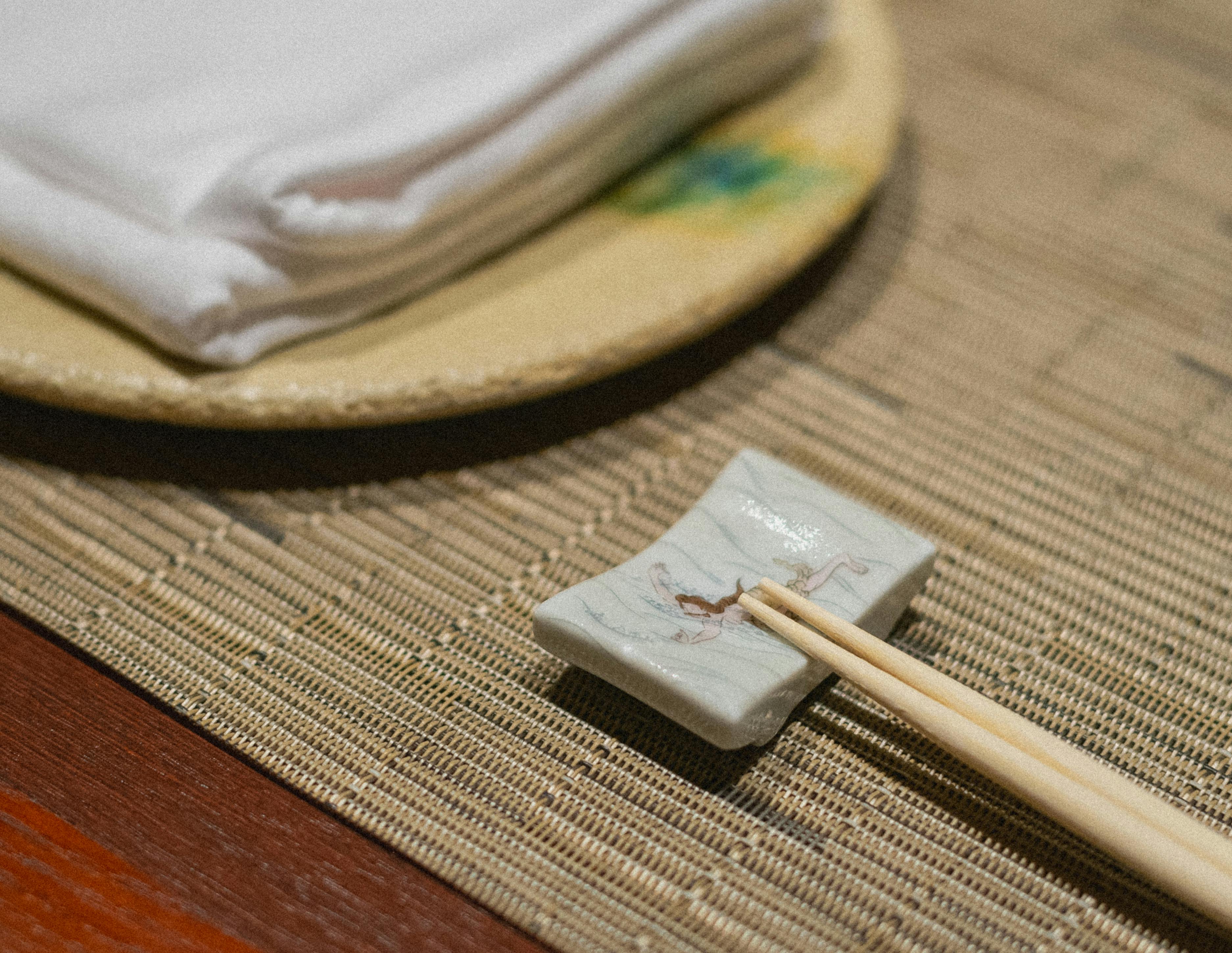
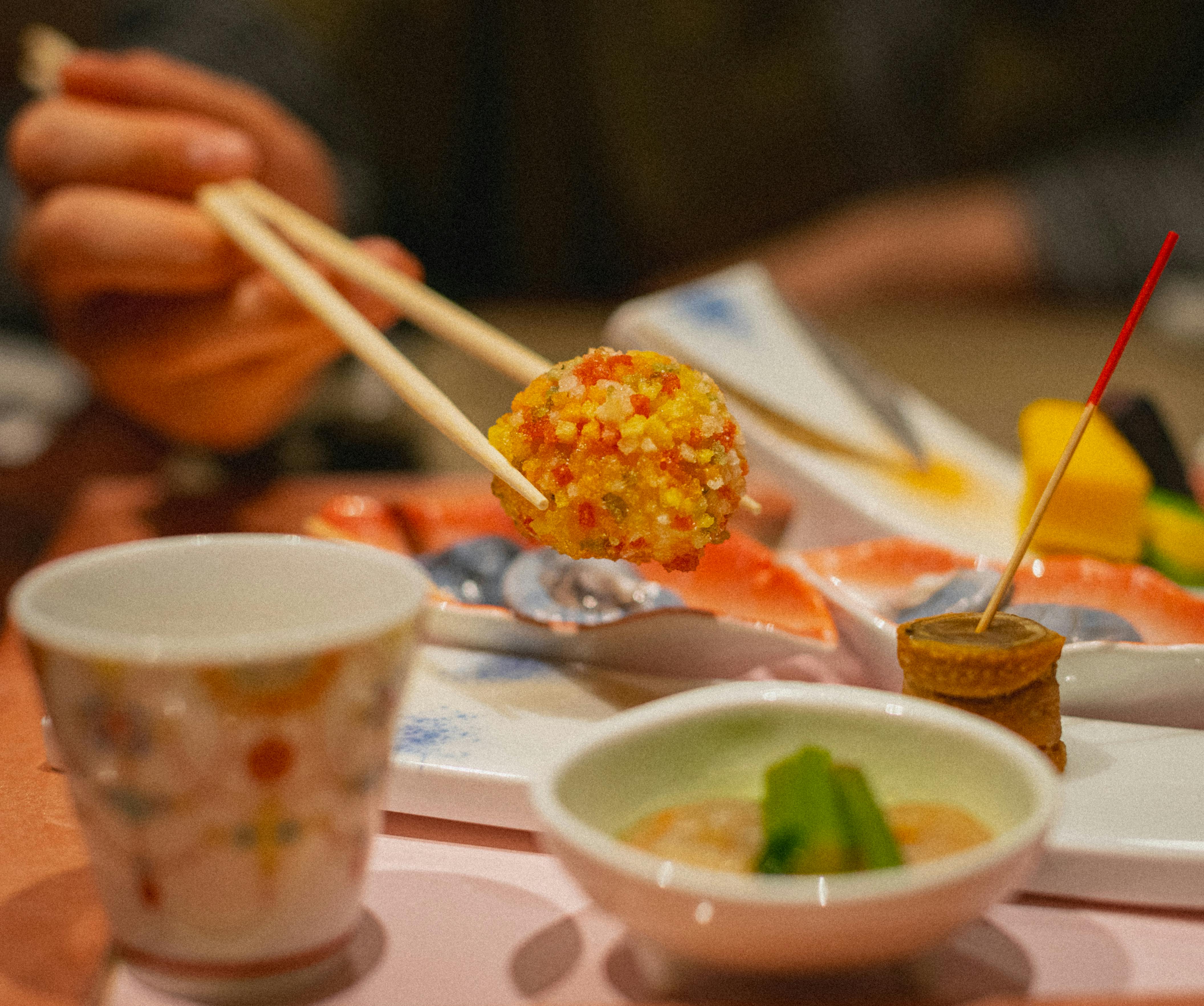
- Use chopsticks or your hands, whichever you find comfortable.
- Dip the fish side, not the rice side, into soy sauce to prevent the rice from falling apart.
- Avoid mixing wasabi into soy sauce – it's meant to be placed directly on the sushi.
- Eat nigiri in one bite to appreciate the full flavor profile.
Discovering Sushi in San Jose
San Jose is home to a vibrant Japanese dining scene, with Shiroi Sushi offering an authentic experience. Here are some reasons to embark on your sushi journey with us:
- Fresh Ingredients: We prioritize sourcing our seafood daily to ensure quality and freshness.
- Expert Chefs: Our chefs are trained in traditional techniques, bringing expertise and creativity to every dish.
- Welcoming Atmosphere: Whether you're dining in or taking out, we strive to provide a warm, inviting environment.
Conclusion: Embark on Your Sushi Adventure
Whether you're a novice or a seasoned sushi lover, understanding the basics of sushi can transform your dining experience. At Shiroi Sushi, we are passionate about sharing the rich traditions of Japanese cuisine with the San Jose community. We invite you to explore our menu, ask questions, and discover the art of sushi in a friendly and informative setting. Ready to embark on your sushi adventure? Visit us and let us guide you through the delightful world of Japanese dining.